
Agentic Ai – Introduction
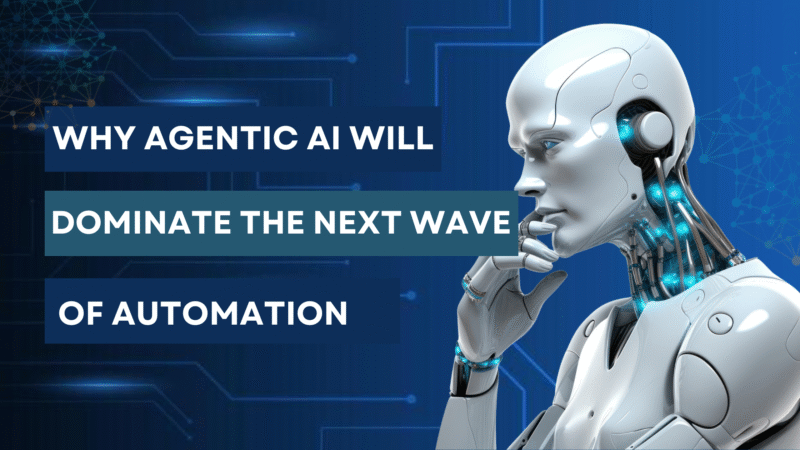
The automation landscape is evolving in response to the growing complexities that businesses face, including tighter deadlines and heightened customer expectations. Observations from recent industry trends suggest that a new category of artificial intelligence, often referred to as agentic AI, is emerging as a potential solution. This type of AI is designed to operate with a degree of autonomy, allowing it to make decisions and take actions based on real-time data analysis. However, it is important to approach this development with caution, as the implementation of such systems can present challenges, including integration with existing workflows and ensuring compliance with relevant regulations. Organizations considering the adoption of agentic AI should conduct thorough assessments and consult credible sources, such as industry standards and research studies, to understand the implications and best practices for successful deployment.Agentic AIBy 2025, Agentic AI is expected to evolve beyond merely assisting with tasks to autonomously planning, executing, and adapting entire workflows. This shift will likely involve the integration of advanced algorithms capable of real-time decision-making and learning from various data inputs. Observations from current AI implementations suggest that while significant progress has been made, challenges remain in ensuring reliability and accuracy in dynamic environments. It is essential to consider potential limitations, such as the need for robust data governance and the ability to handle unexpected scenarios. For a comprehensive understanding of these developments, consulting official documentation and research from reputable sources in the field of artificial intelligence is advisable.The potential for Agentic AI to play a significant role in the next phase of automation by 2025 is a topic of ongoing discussion among experts in the field. Various studies and reports suggest that advancements in artificial intelligence could lead to more autonomous systems capable of making decisions and performing tasks with minimal human intervention. However, it is important to approach these predictions with caution, as the actual impact will depend on numerous factors, including technological developments, regulatory frameworks, and societal acceptance. For a comprehensive understanding, consulting official documents and research from reputable sources in AI and automation is advisable.Agentic AI represents a significant evolution from previous AI technologies, characterized by its ability to operate autonomously and make decisions based on real-time data. This shift requires organizations to adopt a more strategic approach to automation. Companies should begin by assessing their current AI capabilities and identifying areas where agentic AI can enhance efficiency and decision-making. It is essential to consider the specific use cases relevant to their industry, as well as the potential challenges, such as data privacy concerns and the need for robust oversight mechanisms. Organizations may also benefit from consulting industry standards and guidelines to ensure compliance and best practices in implementing these advanced systems. Engaging with experts in AI development can provide valuable insights into the practical implications of integrating agentic AI into existing workflows.
Read more about Ai Automation.
What Is Agentic AI?
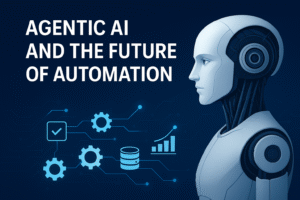
Before we proceed, it is important to clarify the specific areas of focus regarding Agentic AI. This involves understanding its capabilities, potential applications, and the implications for automation. Practical observations from recent developments in AI suggest that Agentic AI can autonomously perform tasks that typically require human intervention, such as decision-making in complex environments. For instance, in sectors like finance and healthcare, Agentic AI systems have been tested for their ability to analyze vast datasets and provide insights that inform strategic decisions. However, it is crucial to recognize the limitations and challenges associated with these technologies, including ethical considerations and the need for robust oversight. As we explore this topic, we will reference relevant research and guidelines from recognized institutions to ensure a well-rounded perspective.Agentic AIAgentic AI refers to artificial intelligence systems that operate with a degree of autonomy. Unlike traditional automation, which typically adheres to predefined rules and scripts, Agentic AI systems are designed to make decisions based on real-time data and contextual understanding. This capability allows them to adapt to changing environments and user needs. For instance, in practical applications, Agentic AI can be observed in areas such as autonomous vehicles, where the system must continuously assess its surroundings and make split-second decisions. However, it is important to note that the deployment of Agentic AI comes with challenges, including the need for robust safety measures to prevent unintended consequences. Researchers and developers are encouraged to consult relevant guidelines and standards, such as those provided by the IEEE or ISO, to ensure that these systems are designed with safety and reliability in mind.
-
Identify goals or tasks on its own
-
To effectively plan sequences of actions aimed at achieving specific goals, it is essential to break down the process into manageable steps. This involves identifying the desired outcome and then outlining the necessary actions required to reach that outcome. For instance, in a practical setting, one might start by conducting a thorough analysis of the current situation, which can include gathering data and assessing available resources. Next, it is important to consider potential constraints that may impact the execution of these actions, such as time limitations, resource availability, or technological capabilities. Additionally, it can be beneficial to explore edge cases or scenarios that may arise during implementation, as these can provide insights into possible challenges and solutions. Incorporating feedback loops and iterative testing can enhance the planning process, allowing for adjustments based on real-world observations. This approach aligns with established methodologies in project management and systems engineering, which emphasize the importance of adaptability and continuous improvement. For further guidance, consulting official documentation or standards related to project planning and automation can provide valuable frameworks and best practices.
-
In scenarios where outcomes differ from anticipated results, it is crucial for systems to adapt and make informed decisions. For instance, in a manufacturing environment, if a machine malfunctions or a supply chain disruption occurs, an agentic AI could analyze real-time data to assess the situation and recommend alternative actions. This might involve rerouting production schedules or sourcing materials from different suppliers. However, it is important to note that the effectiveness of these decisions can depend on the quality of the data available and the algorithms used. Additionally, there may be limitations in the AI's ability to predict all possible deviations, which underscores the need for human oversight and intervention in complex situations. For further understanding, consulting industry standards and research on AI decision-making frameworks can provide valuable insights into best practices and potential challenges.
-
Analyzing outcomes can provide valuable insights for enhancing future performance. By systematically reviewing the results of previous automation projects, organizations can identify effective strategies and areas needing improvement. For instance, implementing a feedback loop where data from completed tasks is evaluated can help refine algorithms and processes. It is essential to consider various factors, such as the specific context in which the automation was applied, the technology used, and the constraints faced during implementation. Additionally, consulting relevant research and industry standards can offer guidance on best practices and potential pitfalls. Organizations should remain cautious about drawing definitive conclusions from any single project, as results may vary based on numerous variables.
Agentic AI represents a convergence of autonomy, adaptability, and intelligence, which can significantly enhance automation processes. In practical applications, organizations have begun experimenting with various forms of agentic AI, observing its potential to operate independently while learning from its environment. For instance, in sectors such as manufacturing and logistics, agentic AI systems have been deployed to optimize workflows by adjusting to real-time data inputs. However, the implementation of such systems is not without challenges. Factors such as data quality, system integration, and the need for robust safety protocols must be carefully considered to ensure effective deployment. Additionally, while agentic AI shows promise, it is essential to recognize that its performance can vary based on specific use cases and environmental conditions. Research from credible sources, including industry reports and academic studies, suggests that as these technologies evolve, they may require ongoing oversight to mitigate risks associated with autonomy. Organizations interested in adopting agentic AI should consult relevant guidelines and standards to navigate these complexities effectively.responding, but proactively thinking.
Traditional automation has been widely adopted across various industries, yet it presents several limitations that can hinder efficiency and adaptability. For instance, traditional systems often rely on predefined rules and scripts, which can restrict their ability to respond to unexpected scenarios. In practical applications, this rigidity can lead to bottlenecks when faced with new data or changing conditions. Moreover, traditional automation typically requires significant human intervention for maintenance and updates, which can be resource-intensive. Observations from organizations that have implemented these systems reveal that they often struggle to scale effectively, particularly in dynamic environments where rapid adjustments are necessary. Additionally, traditional automation may not adequately address complex tasks that require nuanced decision-making or creativity. For example, in customer service, automated systems may fail to understand the subtleties of human emotion, leading to unsatisfactory interactions. As industries move towards more advanced solutions, it is essential to consider these limitations and explore alternatives that can offer greater flexibility and responsiveness. Research and industry reports suggest that transitioning to more sophisticated forms of automation, such as agentic AI, could help overcome these challenges, but careful evaluation of specific use cases and potential risks is advisable.
To comprehend the rise of AI, it is essential to examine the limitations of traditional automation tools. Many organizations have implemented these tools, only to encounter challenges such as inflexibility in adapting to new tasks and difficulty in handling complex decision-making processes. For instance, traditional automation often relies on predefined rules, which can lead to inefficiencies when faced with unexpected scenarios. Additionally, these tools may struggle with integrating data from diverse sources, limiting their effectiveness in dynamic environments. Observations from various industries indicate that while traditional automation can enhance productivity, it often falls short in scenarios requiring adaptability and nuanced understanding. As AI technologies evolve, they may offer solutions to these constraints, but it is important to approach these advancements with caution and verify their capabilities against established standards and research findings.
| Limitation | Description |
|---|---|
| Rigid rules and workflows | Many automation tools are designed to operate within specific parameters. When faced with unforeseen circumstances or variables outside their programmed scope, these tools often encounter difficulties or may cease functioning altogether. For instance, in a manufacturing setting, an automated assembly line may halt if a component is misaligned, highlighting the limitations of current systems. It is important to consider that while these tools can enhance efficiency, they may not adapt well to dynamic environments. Therefore, understanding the constraints and potential edge cases of automation technologies is crucial for effective implementation. |
| Lack of adaptability | Traditional automation systems typically operate based on predefined rules and do not adapt based on the outcomes of their actions. Each scenario requires explicit programming, which can limit flexibility and responsiveness. For instance, in manufacturing, if a machine encounters an unexpected issue, it cannot adjust its operation without human intervention or reprogramming. This approach can lead to inefficiencies, particularly in dynamic environments where conditions frequently change. In contrast, emerging agentic AI technologies are designed to learn from their experiences, potentially allowing for more adaptive and efficient automation. However, it is important to note that the implementation of such systems must be approached with caution, considering factors such as data quality, algorithmic bias, and the need for ongoing oversight to ensure safety and accuracy. |
| High maintenance overhead | Due to the unpredictable nature of edge cases in automation systems, it is often necessary to implement manual updates and patches regularly. This process involves monitoring system performance and identifying anomalies that may not have been anticipated during initial development. For instance, a recent study highlighted the importance of adaptive learning algorithms that can help mitigate some of these edge cases by learning from past incidents. However, these solutions are not foolproof and may still require human intervention to ensure accuracy and safety. It is advisable to consult relevant documentation and industry standards to understand the best practices for managing these updates effectively. |
| Limited scalability | As organizations expand, the complexity of managing interdependencies between various workflows can significantly increase. This complexity often leads to challenges in coordination and efficiency. For instance, in a recent case study involving a large manufacturing firm, the integration of multiple automated systems revealed difficulties in synchronizing tasks, which resulted in delays and increased operational costs. It is crucial to consider the specific constraints of each workflow, such as resource availability and task dependencies, when implementing automation solutions. Additionally, organizations should be aware of potential edge cases, such as unexpected system failures or changes in demand, which can further complicate workflow management. To address these challenges effectively, consulting relevant industry standards and best practices can provide valuable insights and guidance. |
Businesses that are experiencing rapid growth, managing complex operations, or navigating unpredictable environments often encounter significant challenges. These challenges can manifest as operational bottlenecks or inefficiencies, which may hinder their ability to scale effectively. For instance, organizations may struggle to integrate new technologies or adapt their workflows to accommodate increased demand. It is essential for businesses to recognize these potential limitations and consider strategies that can help mitigate them, such as investing in robust training programs for staff or implementing flexible systems that can adapt to changing conditions. Additionally, consulting industry standards or research on best practices can provide valuable insights into overcoming these obstacles.
The year 2025 may represent a significant turning point for the development and implementation of agentic AI. Observations from recent advancements in machine learning and autonomous systems suggest that the integration of agentic AI into various sectors could become more prevalent. For instance, industries such as healthcare and finance are beginning to explore the potential of AI systems that can make decisions based on real-time data analysis. However, the transition to widespread adoption will likely involve navigating several technical challenges. These may include ensuring data privacy, addressing algorithmic bias, and establishing robust frameworks for accountability. It is essential to consider edge cases where agentic AI might misinterpret data or operate outside intended parameters, which could lead to unintended consequences. Research from organizations like the Partnership on AI and the IEEE has highlighted the importance of developing ethical guidelines and standards for AI systems. As these frameworks evolve, they may help mitigate risks associated with agentic AI, fostering a safer and more reliable integration into everyday applications. Therefore, while 2025 could be a pivotal year for agentic AI, it is crucial to approach its development with caution and a commitment to ongoing evaluation and improvement.
Several trends are emerging that suggest Agentic AI could become a significant force in automation by 2025. Observations from recent advancements in machine learning and robotics indicate a growing capability for systems to operate autonomously in complex environments. For instance, developments in natural language processing and computer vision have enabled AI to perform tasks that require a degree of understanding and adaptability. Moreover, the increasing demand for efficiency in various industries, such as manufacturing and logistics, is pushing organizations to explore more sophisticated automation solutions. Research from industry reports and academic studies highlights the potential for Agentic AI to enhance productivity and reduce operational costs. However, it is important to consider the challenges and limitations associated with implementing such technologies. Issues related to data privacy, ethical considerations, and the need for robust regulatory frameworks must be addressed to ensure safe and responsible deployment. As these trends continue to evolve, it will be crucial for stakeholders to stay informed and adapt to the changing landscape of AI technology.
-
Recent developments in generative and reinforcement learning have shown significant potential for enhancing automation processes. For instance, researchers have implemented various algorithms that allow machines to learn from both simulated and real-world environments. In practical applications, these systems have been tested in fields such as robotics and natural language processing, where they adaptively improve their performance over time. One notable example is the use of reinforcement learning in training autonomous agents to navigate complex environments. These agents learn through trial and error, receiving feedback based on their actions, which can lead to improved decision-making capabilities. However, it is important to note that the effectiveness of these systems can be influenced by factors such as the quality of the training data and the specific design of the learning algorithms. While the advancements are promising, there are still challenges to address, including ensuring the safety and reliability of these AI systems in unpredictable scenarios. Researchers and practitioners are encouraged to consult official documentation and standards related to AI safety and performance to better understand the limitations and best practices in deploying these technologies.
Recent advancements in large language models (LLMs) and reinforcement learning have led to the development of systems that can perform tasks involving planning, reasoning, and adaptation. For instance, researchers have observed that agentic agents, which utilize these technologies, demonstrate improved performance in navigating uncertain environments. However, it is important to note that while these systems show promise, their effectiveness can vary based on specific contexts and constraints. Practical applications have highlighted the need for ongoing evaluation to ensure reliability and safety, particularly in complex scenarios where unexpected variables may arise. Further investigation into these technologies can be found in relevant academic literature and industry reports, which provide insights into their capabilities and limitations.
-
Demand for faster decision-making
The dynamics of real-time markets, shifting customer preferences, and just-in-time supply chains necessitate prompt decision-making. In practical applications, Agentic AI has shown potential to minimize delays by functioning autonomously, which can be particularly beneficial in scenarios where immediate responses are critical. For instance, in supply chain management, an Agentic AI system might analyze data from various sources to make inventory decisions without human intervention. However, it is important to consider the limitations and potential risks associated with such systems, including the need for robust data quality and the possibility of unforeseen edge cases. Organizations should carefully evaluate these factors and consult relevant standards and research to ensure the effective and safe implementation of Agentic AI technologies.
-
The increasing scarcity of skilled labor, coupled with rising operational costs, presents significant challenges for many industries. Observations from recent labor market trends indicate that certain sectors are experiencing a notable shortage of qualified professionals, which can hinder productivity and innovation. For instance, industries such as technology and healthcare have reported difficulties in filling specialized roles, leading to increased competition for talent and subsequently higher wages. In response to these challenges, organizations are exploring automation solutions, including agentic AI, which can perform complex tasks traditionally handled by skilled workers. This technology can potentially alleviate some of the pressures associated with labor shortages. However, it is essential to consider the limitations and constraints of implementing such systems. For example, agentic AI may require substantial initial investment and ongoing maintenance, and its effectiveness can vary depending on the specific application and context. Furthermore, while agentic AI can enhance efficiency, it is crucial to approach its deployment with caution. Organizations should assess the potential risks, including the need for oversight to ensure accuracy and safety in automated processes. As the landscape of automation evolves, it is advisable for businesses to stay informed by consulting credible sources, such as industry reports and academic research, to make informed decisions regarding the integration of AI technologies.
As labor costs continue to increase and skill gaps become more pronounced, organizations are exploring the potential of AI systems designed for greater autonomy. This shift aims to enhance operational efficiency by allowing these systems to perform complex tasks with reduced human intervention. For instance, companies have begun implementing AI-driven solutions in areas such as customer service and supply chain management, where they can automate routine processes and improve decision-making. However, it is important to consider the limitations and challenges associated with these technologies, including the need for robust data management and the potential for unforeseen consequences in decision-making. Organizations should also refer to industry standards and guidelines to ensure that their AI implementations align with best practices and ethical considerations.
-
Recent advancements in cloud infrastructure and on-device AI have significantly influenced the landscape of automation. Observations from various industry implementations indicate that cloud-based solutions can enhance processing power and storage capabilities, allowing for more complex AI models to operate efficiently. For instance, companies have reported improved performance in machine learning tasks by leveraging cloud resources, which can scale according to demand. On the other hand, on-device AI has shown promise in reducing latency and enhancing user privacy by processing data locally. This approach can be particularly beneficial in applications requiring real-time decision-making, such as autonomous vehicles or smart home devices. However, it is important to consider the constraints of on-device AI, such as limited computational resources and battery life, which can affect the complexity of the models that can be deployed. As these technologies continue to evolve, it is crucial to stay informed about the latest standards and best practices in AI deployment. Engaging with official documentation and research from reputable sources can provide valuable insights into the capabilities and limitations of both cloud and on-device AI solutions.
The advancement of compute power, the development of distributed systems, the integration of endpoint AI, and improvements in connectivity have created a more viable environment for deploying complex Agentic AI systems on a large scale. These systems can achieve high availability and low latency, which are critical for their effectiveness in real-world applications. For instance, organizations have begun experimenting with these technologies in sectors such as healthcare and finance, where timely data processing is essential. However, it is important to consider the potential constraints, such as the need for robust infrastructure and the challenges of maintaining security and privacy. As these systems evolve, ongoing research and adherence to industry standards will be crucial to ensure their reliability and safety in various contexts.
-
As the development of agentic AI progresses, it is essential to recognize that regulatory and ethical frameworks are gradually evolving to address the complexities introduced by this technology. Observations from recent industry discussions indicate that organizations are actively engaging with policymakers to shape guidelines that ensure responsible AI deployment. For instance, the European Union has proposed the AI Act, which aims to establish a legal framework for AI systems, emphasizing safety and accountability. However, there are challenges in creating comprehensive regulations that can keep pace with rapid technological advancements. Stakeholders must consider various factors, such as data privacy, algorithmic bias, and the potential for unintended consequences. It is crucial for developers and companies to stay informed about these evolving standards and actively participate in discussions to help shape effective policies. As the landscape continues to change, it is advisable for practitioners to consult official documents and research from credible sources, such as the IEEE and ISO, to ensure compliance and ethical considerations are met. This approach can help mitigate risks associated with agentic AI while fostering innovation in a responsible manner.
Legal and ethical frameworks surrounding AI, particularly in areas such as fairness, transparency, and accountability, are evolving and becoming more defined. Observations from recent studies indicate that as trust in AI systems increases, the rate of adoption is likely to rise correspondingly. It is essential for Agentic AI to meet the standards of Experience, Expertise, Authoritativeness, and Trustworthiness (E-E-A-T) to foster this trust. This includes demonstrating practical applications that adhere to established guidelines and best practices, as well as addressing potential limitations and edge cases that may arise in real-world scenarios. For further insights, consulting official documents and research from reputable organizations can provide a deeper understanding of these frameworks and their implications for AI development.
The Advantages this AI Will Bring
As Agentic AI begins to gain traction in various industries, organizations that implement this technology early may experience a range of potential benefits. For instance, early adopters could streamline their operations by automating routine tasks, which may lead to increased efficiency and reduced operational costs. However, it is important to recognize that the successful integration of Agentic AI involves navigating several challenges, such as ensuring data quality, addressing ethical considerations, and managing workforce transitions. Companies should also consider the specific needs of their industry and conduct thorough testing to understand how Agentic AI can be tailored to their unique contexts. Observations from early implementations suggest that while the technology holds promise, its effectiveness can vary based on factors such as organizational readiness and the complexity of the tasks being automated. Therefore, organizations are encouraged to consult relevant research and guidelines to inform their strategies and mitigate potential risks associated with this emerging technology.
-
Operational efficiencyAgentic AI has the potential to transform automation by extending its capabilities beyond simple task execution to include strategic decision-making, planning, and adaptive responses. This shift could lead to reduced delays and lower costs, as observed in various pilot projects where organizations implemented Agentic AI systems. However, it is important to recognize that while these systems can minimize human error, they are not infallible. Factors such as data quality, algorithmic biases, and the complexity of real-world scenarios can impact their effectiveness. Organizations considering the adoption of Agentic AI should carefully evaluate these aspects and consult relevant research and guidelines to ensure a responsible implementation.
-
Scalability & flexibilityAgentic systems have the potential to be applied across various sectors, including customer service, supply chain management, and internal operations. For instance, in customer service, these systems can adapt to changing consumer needs by analyzing interaction data and adjusting responses accordingly. In supply chain management, they can optimize logistics by responding to real-time data on inventory levels and demand fluctuations. However, it is important to recognize that the effectiveness of these systems may vary based on specific business contexts and the quality of the data they utilize. Organizations should consider conducting pilot programs to evaluate the performance of agentic systems in their unique environments before full-scale implementation. Additionally, businesses must remain aware of the limitations and challenges associated with integrating such systems, including data privacy concerns and the need for ongoing maintenance and updates.
-
Innovation accelerationAs organizations explore the capabilities of AI agents in enhancing processes and workflows, they have the opportunity to conduct experiments more efficiently and iterate on their strategies with increased speed. This adaptability can potentially help businesses respond to market changes more promptly. However, it is important to note that the effectiveness of AI agents can vary based on the specific context in which they are implemented, including the nature of the tasks, the quality of the data used, and the existing technological infrastructure. Companies should consider these factors and consult relevant research or industry standards to ensure that their use of AI aligns with best practices and safety guidelines.
-
Better customer experiencesEnhanced response times, tailored services, and reduced manual interventions can contribute to higher customer satisfaction and loyalty. For instance, organizations that have implemented agentic AI systems report observing a notable decrease in response times, which can lead to a more engaging customer experience. However, it is essential to consider that the effectiveness of these systems can vary based on factors such as the complexity of customer inquiries and the integration of AI with existing workflows. Additionally, while many businesses have seen positive outcomes, it is advisable to review case studies and industry reports to understand the potential limitations and challenges associated with deploying agentic AI in different contexts.
Potential Challenges & Risks
Agentic AI holds significant potential for transforming automation, yet its implementation carries inherent risks that must be carefully managed. To ensure responsible dominance in this field, several key considerations should be addressed. For instance, organizations should conduct thorough risk assessments to identify potential pitfalls associated with deploying Agentic AI systems. This includes understanding the limitations of the technology, such as its reliance on data quality and the potential for bias in decision-making processes. Additionally, establishing clear guidelines and ethical standards, as outlined by relevant industry bodies, can help mitigate risks. It is also crucial to engage in continuous monitoring and evaluation of these systems to ensure they operate within safe parameters and align with intended outcomes. By taking these steps, stakeholders can work towards harnessing the benefits of Agentic AI while minimizing associated risks.
-
Bias and ethical concernsAgentic systems have the potential to reflect and even amplify existing biases present in their training data or decision-making criteria. This phenomenon has been observed in various applications, where biased data led to skewed outcomes. To mitigate these risks, it is crucial to implement thorough audits of both the data used for training and the algorithms employed. Additionally, ensuring transparency in the decision-making processes can help stakeholders understand how decisions are made and identify any biases that may arise. It is advisable to consult relevant guidelines and research on algorithmic fairness to establish best practices in this area.
-
Security vulnerabilitiesThe introduction of autonomy in AI systems creates additional vulnerabilities that warrant careful consideration. For instance, there is a possibility that an agent could be compromised, leading to unauthorized control. Additionally, the integrity of the data fed into these systems is crucial; if an agent receives inaccurate or malicious data, it could significantly impact its decision-making processes. It is essential to explore these potential risks through rigorous testing and evaluation, as outlined in various cybersecurity frameworks and standards. Researchers and practitioners should remain vigilant and continuously assess these vulnerabilities to ensure the safety and reliability of autonomous systems.
-
Unintended consequencesThe absence of well-defined guidelines can lead to agents pursuing unintended objectives, such as reducing costs at the expense of quality. It is essential to establish effective goal alignment and implement oversight mechanisms to ensure that automation systems operate within acceptable parameters. Observations from various implementations highlight the importance of these measures in maintaining a balance between efficiency and quality. For further insights, consulting relevant industry standards and research on AI governance may provide additional context and recommendations.
-
Trust and interpretabilityIt is essential for stakeholders to gain insights into the operations of AI systems. Implementing explainable AI techniques can facilitate this understanding by providing clarity on decision-making processes. Additionally, thorough documentation of AI behavior can serve as a reference for stakeholders to review and assess the system's actions. Incorporating human-in-the-loop oversight can further enhance accountability and allow for intervention when necessary. It is important to note that while these measures can improve transparency, they may not eliminate all uncertainties associated with AI behavior, and ongoing evaluation is recommended to ensure reliability and safety.
-
Regulatory complianceAs regulations surrounding artificial intelligence continue to develop in the U.S. and internationally, organizations are encouraged to carefully assess their Agentic AI systems to ensure compliance with established privacy, safety, and fairness standards. This involves not only understanding the specific legal requirements but also implementing robust frameworks that address potential risks. For instance, organizations may need to conduct regular audits and impact assessments to identify any biases in their algorithms and ensure that data handling practices align with privacy laws such as the General Data Protection Regulation (GDPR) in Europe. It is advisable for companies to stay informed about ongoing legislative changes and to consult relevant guidelines from authoritative bodies to maintain adherence to best practices in AI governance.
Key Use Cases for Agentic AI in 2025 In 2025, Agentic AI is expected to play a significant role in various sectors, driven by its ability to perform complex tasks autonomously. For instance, in healthcare, Agentic AI could assist in patient monitoring by analyzing real-time data from wearable devices. This application may enhance decision-making processes, but it is essential to consider the accuracy of the data and the potential for false positives or negatives. In the manufacturing industry, Agentic AI could optimize supply chain management by predicting demand fluctuations and adjusting inventory levels accordingly. Companies that have experimented with similar technologies have noted improvements in efficiency, yet challenges remain in integrating these systems with existing infrastructure. Additionally, in the financial sector, Agentic AI may streamline fraud detection by analyzing transaction patterns and identifying anomalies. While preliminary studies suggest that these systems can reduce fraud rates, it is crucial to validate findings through rigorous testing and adherence to regulatory standards. Overall, while the potential for Agentic AI is promising, stakeholders should approach its implementation with caution, ensuring that systems are thoroughly evaluated for reliability and compliance with industry guidelines.
Several sectors are expected to adopt Agentic AI as a standard in the near future. For instance, in manufacturing, companies are exploring the integration of Agentic AI to enhance production efficiency and reduce downtime. Practical trials have shown that these systems can optimize supply chain management by predicting demand fluctuations and adjusting inventory levels accordingly. In healthcare, Agentic AI could assist in diagnostics by analyzing patient data more accurately than traditional methods, although it is essential to consider the limitations of data quality and the need for human oversight in clinical decisions. Additionally, the finance sector may leverage Agentic AI for risk assessment and fraud detection, where algorithms can analyze transaction patterns to identify anomalies. However, it is crucial to remain aware of the ethical implications and regulatory standards that govern the use of AI in these sensitive areas. For a comprehensive understanding, stakeholders should refer to relevant industry guidelines and research studies that outline best practices and potential challenges associated with implementing Agentic AI.
| Industry | Use Case |
|---|---|
| Customer Support | AI agents are increasingly being developed to autonomously manage complex, multi-step issues, such as routing inquiries, resolving problems, and escalating matters when necessary. These agents are designed to adapt their responses based on the variability of customer interactions across different communication channels. For instance, in practical applications, organizations have implemented AI agents that can analyze customer sentiment in real-time, allowing them to adjust their approach depending on the tone and content of the customer's responses. However, it is important to note that while these systems show promise, they may encounter challenges in accurately interpreting nuanced language or handling unexpected scenarios. Ongoing research and development in this field aim to address these limitations, and stakeholders are encouraged to refer to official documentation and standards to understand the capabilities and constraints of current AI technologies. |
| Supply Chain & Logistics | Agentic AI systems are being developed to enhance various operational processes, such as optimizing routing, managing inventory, and forecasting demand. These systems can autonomously adapt to disruptions, including adverse weather conditions, logistical delays, and supply shortages. For instance, in practical applications, companies have implemented AI-driven routing algorithms that analyze real-time traffic data to adjust delivery routes dynamically. However, it is important to note that while these systems show promise, their effectiveness can be influenced by factors such as data quality and the complexity of the operational environment. Organizations should consider conducting thorough evaluations and pilot programs to assess the capabilities and limitations of these technologies before full-scale implementation. |
| Marketing & Content Creation | Systems designed for planning and executing campaigns involve a series of structured processes. These systems typically start by analyzing data to select relevant topics that align with audience interests and current trends. Following topic selection, they establish a content schedule that outlines when and how often content will be published. As campaigns progress, these systems monitor performance metrics to evaluate outcomes. Based on this analysis, adjustments may be made to optimize future content, such as altering the timing of posts or modifying the topics covered. It is important to note that while these systems can enhance efficiency, they may also face challenges, such as data quality issues or the need for continuous updates to algorithms to reflect changing audience preferences. For a deeper understanding of these processes, consulting industry standards or research from credible sources can provide additional insights into best practices and potential limitations. |
| Software Development & DevOps | Automated agents are increasingly being utilized in various aspects of software development, including code review, bug triage, performance monitoring, and auto-remediation. For instance, in code review, these agents can analyze code changes against established coding standards and best practices, providing feedback that can help developers identify potential issues early in the development process. In bug triage, automated systems can categorize and prioritize bugs based on severity and impact, which can streamline the workflow for development teams. Performance monitoring tools can track application metrics in real-time, alerting teams to anomalies that may indicate underlying issues. Auto-remediation features can automatically address certain types of problems, reducing downtime and improving system reliability. However, it is important to note that while these technologies can enhance efficiency, they are not infallible. Developers should remain vigilant and verify the outputs of these automated systems, as they may not always account for the full context of a given situation. For a deeper understanding of these technologies, consulting official documentation and industry standards is advisable. |
| Healthcare & Medical Diagnostics | Support agents designed to assist clinicians can play a crucial role in healthcare settings. These agents can be utilized to review patient histories, identify anomalies, and prioritize interventions based on specific criteria. For instance, a practical implementation might involve an AI system analyzing electronic health records to detect unusual patterns that could indicate potential health risks. However, it is important to note that while these systems can enhance decision-making, they should not replace the clinician's judgment. Additionally, the effectiveness of such agents can vary based on the quality of the data they are trained on and the algorithms used. Clinicians should remain aware of the limitations and potential biases in AI outputs, and it is advisable to consult relevant guidelines and research to ensure safe and effective integration into clinical workflows. |
To prepare for the rise of agentic AI in 2025, companies and developers should consider several practical steps based on current trends and research in the field. First, it is essential to invest in training and upskilling teams in AI technologies, particularly in areas such as machine learning, natural language processing, and ethical AI practices. This can be achieved through workshops, online courses, or collaboration with academic institutions. Additionally, organizations should begin to assess their existing infrastructure to ensure it can support the integration of agentic AI systems. This may involve upgrading hardware, adopting cloud solutions, or implementing robust data management practices to handle the increased data flow that these systems will generate. It is also advisable to establish clear guidelines and frameworks for the ethical use of AI, considering potential biases and the implications of automation on the workforce. Engaging with stakeholders, including employees and industry experts, can provide valuable insights into the challenges and opportunities that may arise. Finally, companies should stay informed about evolving regulations and standards related to AI deployment. Regularly reviewing official documentation from regulatory bodies and industry standards organizations can help ensure compliance and foster trust among users and clients.
To effectively implement Agentic AI by 2025, it is advisable for organizations and technical teams to start their preparations early. Consider exploring the following steps, while keeping in mind the importance of aligning with industry standards and best practices. It may also be beneficial to consult relevant research and official documentation to ensure a comprehensive understanding of the technology and its implications.
-
Invest in data infrastructure
High-quality, well-structured datasets are essential for the effective functioning of autonomous agents. It is important to establish robust data pipelines that facilitate the collection and processing of data while ensuring its accuracy and relevance. Implementing data quality checks at various stages can help identify and rectify issues early in the process. Additionally, incorporating feedback loops allows for continuous improvement of the dataset, adapting to new information and changing conditions. For those interested in best practices, resources such as the Data Management Body of Knowledge (DMBOK) provide guidelines on data governance and quality management.
-
Develop modular, interpretable models
To enhance the effectiveness of your AI system, consider structuring it into distinct modules, such as planning, execution, and feedback. This modular approach can facilitate better management and optimization of each component. It is beneficial to utilize models and architectures that support transparency and interpretability, allowing for inspection and explanation of the AI's decision-making processes. For instance, employing techniques like explainable AI (XAI) can help in understanding how specific outcomes are derived. It is important to be aware of the limitations and potential biases inherent in these models, and to regularly validate their performance against established benchmarks or standards in the field.
-
Establish safety and monitoring
Establishing effective guardrails, alerting mechanisms, and human oversight is essential in the deployment of agentic AI systems. It is important to continuously monitor these systems for any signs of drift, bias, or declines in performance. For instance, organizations can implement regular audits and performance evaluations to identify any deviations from expected outcomes. Additionally, employing diverse datasets during training can help mitigate bias. It is advisable to refer to established guidelines and best practices from reputable sources, such as the IEEE or the Partnership on AI, to ensure that these measures are comprehensive and effective. Regularly reviewing these protocols can enhance the reliability and safety of agentic AI applications.
-
Adopt agile experimentation
Implementing small pilot projects can be an effective strategy for evaluating the integration of Agentic AI within specific workflows. It is advisable to carefully measure various performance indicators, such as cost savings, time efficiency, and error rates, during these trials. This approach allows organizations to gather practical insights and assess the technology's impact before considering broader implementation. Additionally, it is important to remain aware of potential constraints and edge cases that may arise during these pilots, as they can influence the overall effectiveness of the AI solution. Organizations should also consult relevant industry standards and research to ensure that their evaluations align with best practices in AI deployment.
-
Establishing governance, ethics, and compliance policies involves a structured approach to ensure that AI systems operate within acceptable boundaries. This process typically begins with identifying relevant regulations and ethical standards that apply to the specific context of AI deployment. For instance, organizations may refer to guidelines from bodies such as the IEEE or ISO, which provide frameworks for ethical AI use. Next, it is essential to engage stakeholders, including legal experts, ethicists, and technical teams, to collaboratively define the policies. This can include outlining procedures for data management, user privacy, and accountability measures. It is also important to consider edge cases where AI behavior may lead to unintended consequences, and to develop protocols for addressing these scenarios. Furthermore, organizations should implement regular audits and assessments to ensure compliance with established policies. This ongoing evaluation can help identify areas for improvement and adapt to evolving regulations or societal expectations. For those interested in more detailed guidance, consulting official documentation from regulatory agencies or industry standards can provide valuable insights into best practices for governance in AI.
It is important to establish clear roles to promote accountability within the development and deployment of Agentic AI systems. Documenting the decision-making processes can provide valuable insights into how these systems operate and help stakeholders understand their functionality. Compliance with U.S. regulations, including data privacy laws and relevant industry standards, should be a priority to mitigate risks associated with data handling and usage. Additionally, incorporating principles of transparency and fairness into the design of these systems can enhance trust and facilitate responsible use. It may be beneficial to consult official guidelines and research to ensure that these practices align with current best practices in the field.
-
Train staff & change management
Agentic AI has the potential to significantly alter workflows across various industries. It is essential for employees to familiarize themselves with its capabilities and constraints to effectively collaborate with this technology rather than feeling threatened by it. Understanding the specific functions that Agentic AI can perform, along with its limitations, can help mitigate concerns about job displacement. For instance, while Agentic AI can automate repetitive tasks, it may not fully replicate the nuanced decision-making required in complex scenarios. Leadership plays a crucial role in facilitating this transition by providing training and resources that empower employees to adapt to these changes. Proactive management of this integration can help ensure that the workforce is prepared to leverage Agentic AI effectively, fostering a collaborative environment that enhances productivity. It is advisable for organizations to consult relevant research and guidelines on AI implementation to navigate this evolving landscape responsibly.
Conclusion
Agentic AI is poised to be a significant advancement in automation by 2025. This technology is expected to evolve from simple task execution to capabilities that include autonomous planning, decision-making, and adaptability. Organizations that proactively invest in data management, ethical guidelines, interpretability of AI systems, and workforce preparedness may position themselves for success in this changing landscape. Conversely, those that do not adapt to these developments may find themselves at a competitive disadvantage. It is advisable for businesses to consult relevant research and industry standards to inform their strategies in this area.
To remain competitive in the evolving landscape of automation, it is advisable to begin investigating Agentic AI in a practical context. This involves understanding its potential applications and implications for operational efficiency, innovation, and robust automation processes. Engaging with current research and case studies can provide insights into how organizations have implemented Agentic AI, the challenges they faced, and the outcomes they achieved. It is important to approach this exploration with an awareness of the technical limitations and ethical considerations associated with AI technologies, as well as to consult credible sources and official documentation to inform your understanding and strategy.
Want to read more, have a look at this article.