



Understanding Cross-Site Scripting (XSS): An Overview
Cross-Site Scripting (XSS) is a prevalent cybersecurity threat that targets client-side scripting in web applications. It occurs when malicious actors inject harmful scripts into otherwise benign and trusted websites. This vulnerability primarily exploits the user’s browser, making it crucial to understand and mitigate such attacks for robust web security. XSS vulnerabilities can appear in various forms, including stored, reflected, and DOM-based, each posing unique challenges and risks. Recognizing the different types of XSS attacks is the first step towards effective cross-site scripting protection.
XSS attacks exploit security loopholes in web applications, often due to insufficient input validation or inadequate code sanitization. Attackers can manipulate the client-side JavaScript, gaining unauthorized access to sensitive data, such as cookies or session tokens. Given its potential damage, preventing XSS is a priority for developers aiming to safeguard user information. Implementing XSS mitigation techniques like validating user inputs and encoding output data enhances JavaScript security significantly.
For a comprehensive understanding of related cybersecurity threats, you might want to explore this guide on preventing SQL injection attacks. Additionally, you can learn more about XSS from this OWASP guide on XSS, which delves deeper into protection and prevention strategies.
Types of XSS Attacks Explained
Cross-site scripting (XSS) attacks come in various forms, each exploiting different vulnerabilities to inject malicious scripts into web pages. Understanding these types is crucial for effective XSS mitigation techniques and strengthening web security.
Stored XSS
Stored XSS attacks occur when malicious scripts are injected and stored on the target server. This happens typically through user input fields, where the payload is saved in the database. Every time another user accesses the affected page, the script executes in their browser, posing serious cybersecurity threats. This type of attack is particularly dangerous because it can affect a large number of users simultaneously, making cross-site scripting protection vital.
Reflected XSS
Reflected XSS attacks are short-lived and occur when a malicious script is reflected off a web server. These attacks are usually delivered via phishing emails or malicious links. When an unsuspecting user clicks the link, the injected script runs immediately in their browser, often without their knowledge. Preventing these XSS vulnerabilities requires diligent input validation and output encoding.
DOM-Based XSS
Unlike the other types, DOM-based XSS attacks do not interact directly with the server-side code. Instead, they exploit weaknesses in client-side scripting and modify the DOM environment in the victim’s browser to execute malicious scripts. This makes JavaScript security and code sanitization crucial for defense against such attacks. For more insights on preventing web vulnerabilities, check out our guide on preventing SQL injections.
For an authoritative source on this topic, you can learn more about XSS attacks and their prevention from the detailed resources available at OWASP.
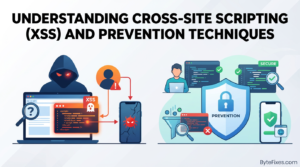
How Does Cross-Site Scripting (XSS) Work?
Cross-Site Scripting (XSS) exploits XSS vulnerabilities within a web application, allowing cybercriminals to execute arbitrary scripts on a victim’s browser. This happens when a website reflects untrusted data, like user input, without proper validation and sanitization. These scripts are often written in JavaScript, a common language for client-side scripting, making web security crucial.
Once an XSS attack is initiated, attackers can steal sensitive information such as session cookies, manipulate page content, or redirect users to phishing sites. There are different types of XSS, including Stored XSS, Reflected XSS, and DOM-based XSS, each exploiting different weaknesses in a web application to compromise JavaScript security.
Preventing XSS requires diligent implementation of cross-site scripting protection measures, like input validation, output encoding, and enforcing secure content policies. These XSS mitigation techniques are essential parts of a robust cybersecurity strategy, safeguarding against various cybersecurity threats.
For a deeper understanding of safeguarding against web vulnerabilities, you might find our guide on preventing SQL injection insightful. To further enhance your knowledge, the OWASP Foundation’s XSS guide is a highly recommended resource.
The Risks and Consequences of XSS Vulnerabilities
Cross-Site Scripting (XSS) vulnerabilities pose significant risks to web security, allowing attackers to inject malicious scripts into web pages viewed by numerous users. These XSS attacks can lead to severe consequences, including data theft, session hijacking, and even unauthorized access to user accounts.
One of the primary dangers of XSS vulnerabilities is their potential to compromise web application security. When attackers successfully exploit these weaknesses, they gain the ability to manipulate web page content, install malicious software, or steal sensitive information. This not only endangers individual users but can also tarnish a company’s reputation.
- Data Breaches: Hackers can harvest confidential user data, such as login credentials and personal details, compromising user privacy.
- Account Takeover: Attackers may hijack user sessions, leading to unauthorized account access and actions.
- Reputation Damage: Businesses facing XSS attacks might experience a loss of trust, potentially leading to financial and reputational repercussions.
Preventing XSS is critical. Employing XSS mitigation techniques such as code sanitization and enhancing JavaScript security are crucial first steps. Understanding these common cybersecurity threats helps in adopting effective cross-site scripting protection measures. For more in-depth knowledge, explore OWASP’s overview on XSS.
Identifying XSS Vulnerabilities in Your Web Applications
Identifying potential XSS vulnerabilities in your web applications is foundational to maintaining robust web security. This process requires a keen understanding of how client-side scripting, particularly JavaScript, interacts with user inputs and outputs. The primary step is to scrutinize any form fields, URLs, or data-fetching mechanisms that render user-generated content without proper validation or code sanitization.
Start by reviewing the server-side code where input data might be inadequately validated. It’s critical to ensure that only safe, sanitized data reaches the client-side scripts. Additionally, utilize specialized security tools and scripts to scan for common XSS vulnerabilities. Platforms like OWASP ZAP provide valuable insights and can automate much of this testing process.
Remember that XSS mitigation techniques often involve escaping or removing any harmful scripts from the input data before rendering. Emphasizing robust XSS attacks defense mechanisms in your development cycle is key to maximizing cross-site scripting protection.
For further reading on related web security concerns, you might find our guide on preventing SQL injection vulnerabilities insightful. For more comprehensive information on XSS and its prevention strategies, the OWASP guide on XSS is an excellent resource.
Real-World Examples of Cross-Site Scripting Attacks
Understanding how Cross-Site Scripting (XSS) attacks manifest in the real world offers a crucial insight into their potential repercussions and urgency for robust web security. One of the most infamous cases of XSS vulnerabilities is the persistent XSS attack on MySpace, where a worm known as “Samy” infected over a million users’ profiles. This incident highlighted the ease with which XSS attacks can spread through client-side scripting like JavaScript, causing significant cybersecurity threats.
Another notable example is the cross-site scripting protection failure at Twitter. In 2010, an XSS flaw allowed attackers to force users to retweet content by merely hovering over a malicious tweet. Such exploits underscore the importance of XSS mitigation techniques and robust JavaScript security measures in social networking platforms.
To dive deeper into preventing XSS and other related threats, you might explore how SQL injection vulnerabilities can similarly compromise web applications by visiting our SQL Injection Guide.
The significance of code sanitization and implementing strong XSS prevention strategies cannot be overstated, especially when looking at these real-world scenarios. For more information on general cybersecurity practices, see this detailed guide from OWASP, a reliable authority on such topics.
Best Practices for Preventing Cross-Site Scripting (XSS)
Cross-Site Scripting (XSS) poses significant cybersecurity threats, but with the correct strategies, preventing XSS is achievable. Following best practices is crucial to protect your web applications from potential XSS vulnerabilities and safeguard user data.
- Input Validation: Ensure you validate and sanitize all user inputs before processing them. This is essential to filter out harmful scripts and maintain robust JavaScript security.
- Output Encoding: Always encode data upon output to prevent execution in client-side scripting. Correct encoding for HTML, URL, and JavaScript contexts severely diminishes the risk of XSS attacks.
- Use Security Libraries: Implement reliable security libraries and frameworks designed for cross-site scripting protection. Libraries like OWASP’s JavaScript Encoder can simplify the defense against XSS.
- Content Security Policy (CSP): Deploy CSP to control the sources your application can load. It provides a robust layer of XSS mitigation techniques by limiting the execution of unauthorized scripts.
If you’re interested in delving deeper into safeguarding digital environments, explore our guide on preventing web vulnerabilities to reinforce your web security practices.
For a comprehensive understanding of XSS, visit reputable resources like OWASP, which offer authoritative insights and guidance.
Implementing Input Validation to Prevent XSS
Input validation is a crucial measure in preventing cross-site scripting (XSS) attacks. By ensuring that data input by users is clean and expected, you significantly reduce the risk of XSS vulnerabilities. Proper input validation involves using a whitelist approach where only specific, predefined characters and formats are allowed. This approach effectively mitigates the risk of malicious scripts being executed on the client-side, enhancing JavaScript security and overall web application safety.
For example, if a field only expects alphanumeric input, all other character inputs should be rejected. Additionally, input validation should be implemented on both the client-side and server-side to maximize cross-site scripting protection. Regularly updating validation libraries and adhering to best practices in code sanitization are essential XSS mitigation techniques.
To dive deeper into related web security topics, consider exploring our article on preventing SQL injections, which complements XSS defense strategies within the realm of cybersecurity threats. For further reading, the OWASP Foundation provides extensive resources on preventing XSS attacks and enhancing web security.
Using Content Security Policy (CSP) as an XSS Mitigation Tool
Employing a Content Security Policy (CSP) is one of the most effective XSS mitigation techniques to enhance your web security. CSP provides cross-site scripting protection by enabling you to define approved content sources that browsers should load. By doing so, it significantly reduces the risk of executing malicious scripts, a cornerstone for preventing XSS vulnerabilities.
A CSP outlines policies either through HTTP headers or a meta tag, which declare trusted domains for loading resources like images, scripts, and stylesheets. This precautionary measure means that any script from an unauthorized source will not be executed, bolstering your defenses against XSS attacks. As a dynamic component of JavaScript security, CSP forms an integral part of the holistic approach towards web security.
If you’re venturing into the territory of cybersecurity, understanding various threats and their mitigation strategies is fundamental. For those interested in deepening their knowledge about broader cybersecurity measures, including firewalls, consider reading our Beginner’s Guide to Cybersecurity.
For more in-depth information about cross-site scripting and preventive methods, you can visit resources like the OWASP Foundation.
How to Secure Your JavaScript Code Against XSS
To effectively secure your JavaScript code against Cross-Site Scripting (XSS), understanding the potential entry points of such vulnerabilities in your applications is vital. As JavaScript is a predominant client-side scripting language, it is often targeted for XSS attacks. Here are some essential techniques for cross-site scripting protection to help you mitigate these cybersecurity threats.
- Code Sanitization: Ensure you sanitize all user inputs. By cleaning data and removing or escaping dangerous characters, you reduce the risk of XSS vulnerabilities. Utilize libraries or frameworks that offer built-in sanitization functions.
- Use Content Security Policy (CSP): Implement CSP headers to restrict the types of content the browser executes. This XSS mitigation technique prevents the execution of malicious scripts that have not been explicitly allowed.
- Validate Inputs on Server-Side: While JavaScript security is crucial, always validate inputs server-side to prevent any bypass clients might achieve by disabling JavaScript or exploiting client-side logic.
For more comprehensive web security practices, explore our SQL injection guide. Additionally, explore OWASP’s XSS resources for authoritative insights on preventing XSS.
Common Mistakes to Avoid in XSS Prevention
While cross-site scripting protection is crucial to maintaining web security and ensuring a safe browsing experience, developers often fall prey to certain common mistakes. Understanding these pitfalls is essential for effectively preventing XSS attacks.
One of the most frequent errors is neglecting to sanitize user inputs. Code sanitization should be a top priority as unsanitized inputs can pave the way for XSS vulnerabilities. It’s vital to ensure all user inputs, whether data fields or query parameters, are adequately cleaned and validated.
Another common mistake is relying solely on client-side scripting for security measures. While client-side JavaScript security techniques can enhance protection, they are not foolproof solutions. Always implement server-side checks for robust XSS mitigation.
Developers often forget to employ content security policies (CSPs), which can act as a powerful layer in preventing XSS. Configuring CSPs helps to mitigate risks by restricting sources from which code can be executed.
Furthermore, it’s risky to overlook ongoing software updates and patches. Always keep your software up-to-date to protect against newly discovered vulnerabilities. You may also explore how similar principles apply in preventing SQL Injection vulnerabilities to bolster web security against cyber threats.
For comprehensive web security measures, refer to this OWASP guide which provides detailed insights into mitigating attacks like XSS.
Cross-Site Scripting (XSS) Prevention: Code Examples
Understanding how to prevent XSS attacks is essential for web security. Cross-site scripting protection involves implementing specific strategies and code sanitization methods to eliminate XSS vulnerabilities. Here are some practical XSS mitigation techniques with code examples, focusing on JavaScript security and client-side scripting frameworks.
For server-side validation, always sanitize user inputs. Below is a PHP example demonstrating input sanitization:
$name = htmlspecialchars($name, ENT_QUOTES, 'UTF-8');
In JavaScript, using safe functions is critical. The following example shows how to dynamically update HTML content securely:
document.getElementById('output').innerText = userInput;
This avoids inserting HTML directly with innerHTML, which can be risky.
For further reading on preventing web vulnerabilities like SQL injection, consider checking our detailed article on SQL Injection (SQLi) Guide: Preventing Web Vulnerabilities. Understanding these details is part of robust cybersecurity efforts to counter various cybersecurity threats.
For more expert advice on XSS prevention, visit OWASP XSS Prevention, a respected resource in the cybersecurity community.