



Introduction to Local LLMs: What Are They and Why Use Them?
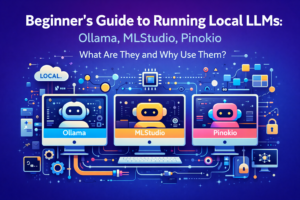
Local Language Models (LLMs), such as those offered by platforms like Ollama, MLStudio, and Pinokio, represent a cutting-edge advancement in the field of machine learning. Unlike traditional cloud-based models, local LLMs are deployed directly on your own machine, offering a range of benefits including improved privacy, faster processing speeds, and greater control over data management.
Utilizing local LLMs allows developers and businesses to harness the power of machine learning without the need to rely on external servers. This can be especially beneficial when handling sensitive data, providing an additional layer of security. Moreover, with tools like Ollama LLM setup and MLStudio LLM usage scripts, getting started with local machine learning models is now more accessible than ever.
For beginners, the journey into local LLMs can be enriched by exploring tutorials and guides that simplify complex processes into manageable steps. Whether you’re looking for an easy LLM setup or a comprehensive beginner LLM guide, resources are available that make the learning curve much less steep. For more detailed insights on local LLM platforms, you might consider referring to authoritative sources like Forbes.
Setting Up Your Local LLM Environment: The Basics
If you’re eager to dive into the world of local language models, understanding the initial setup is crucial. This section covers the essentials to get you started with platforms like Ollama, MLStudio, and Pinokio. The primary goal is to establish a robust environment that facilitates seamless experimentation and learning.
The first step in your local LLM installation guide is deciding on a platform that suits your requirements. Platforms like Ollama are perfect for those looking to quickly set up and test language models. Pinokio, on the other hand, offers a more customizable approach for enthusiasts eager to explore deeper configurations. Here’s what you need to consider:
- Selecting Your Platform: Analyze your needs to determine whether Ollama, MLStudio, or Pinokio is the right fit.
- Basic Installation: Follow each platform’s specific installation guidelines for setting up local machine learning models on your device.
- Software Dependencies: Ensure that your system has all necessary libraries and dependencies installed.
- Hardware Considerations: Local LLMs can be resource-intensive. Ensure your hardware is equipped to handle these requirements.
For those interested in local machine learning models, visiting an insightful external source such as Towards Data Science can provide additional guidance.
Want to enhance your understanding of tech concepts? Check out our article on what a firewall is and how it plays a role in cybersecurity.

Getting Started with Ollama: A Step-by-Step Guide
Ollama stands out as a robust platform for implementing local language models on your system. This Ollama LLM setup guide will walk you through the essentials, ensuring you have a smooth start for running local machine learning models.
Step 1: System Requirements
Before diving into Ollama, ensure your system meets the necessary requirements. A modern computer with at least 16GB of RAM and a multicore processor is recommended for optimal performance.
Step 2: Install Ollama
Visit the official Ollama website to download the installation package. Follow the on-screen instructions to set up Ollama on your system. This easy LLM setup will enable you to experiment with local language models seamlessly.
Step 3: Configure the Environment
Once installed, it’s crucial to configure the environment for optimal use. Set up the necessary paths and dependencies as outlined in the official documentation.
Step 4: Running Your First Model
Launch Ollama and choose a basic model to start. If you encounter any issues, refer to resources like our Build Your Own Local AI Agent with Ollama & Python guide for troubleshooting tips.
Getting started with Ollama is straightforward with the right guidance. Whether you’re a beginner exploring local LLMs or an expert looking to delve deeper, platforms like Ollama present an efficient path to leveraging machine learning. For further information, you might find Wikipedia’s overview on language models insightful.
By following these steps, you’ll be on your way to mastering local LLMs, enhancing your understanding and application of machine learning technologies in your projects.
Mastering MLStudio for Local LLM Operations
As an emerging solution in the world of local language models, MLStudio offers a comprehensive platform for deploying and managing large language models efficiently. Its primary advantage lies in its user-friendly interface paired with robust capabilities for both novice and experienced users looking to run local machine learning models.
Getting started with MLStudio involves a straightforward setup process, making it an ideal candidate for those new to local LLM operations. Key steps include downloading the software, following the guided installation instructions, and integrating your chosen local language models. Understanding security basics, such as firewall configurations, is beneficial during this step to ensure a smooth deployment.
- Download and install MLStudio from the official site.
- Follow the step-by-step LLM installation guide provided.
- Integrate desired local language models and begin operations.
For those keen on optimizing their MLStudio LLM usage, leveraging community forums and tutorials can provide invaluable insights. This not only speeds up the learning curve but ensures you are utilizing the software to its full potential. For further insights on optimizing local LLMs like MLStudio, consider exploring external resources such as Linux Foundation’s guide on getting started with machine learning.

Exploring Pinokio: Features and Benefits
Pinokio is an emerging name in the realm of local language models, offering a user-friendly interface and robust performance. As part of our beginner LLM guide, understanding the capabilities of Pinokio can significantly ease your transition into using local machine learning models.
- Seamless Integration: Pinokio supports a wide variety of development environments, allowing you to integrate it smoothly with existing applications. Its easy LLM setup makes it a favorite among novices.
- Efficient Resource Management: Designed to operate efficiently on local machines, Pinokio ensures optimal usage of system resources, making it ideal for those wishing to develop with local language models without heavy expenditure.
- Comprehensive Tutorials: The Pinokio LLM tutorial offers step-by-step guidance, making it a valuable resource for novices.
- Customizability: Users can tweak and tailor the model according to their specific needs, providing a flexible approach to developing language solutions.
For those just starting with local LLMs, Pinokio presents an optimal blend of simplicity and advanced capabilities. Visit our WhatsApp Security Guide for more insights on securing your digital operations. To delve deeper into the capabilities of language models like Pinokio and beyond, learning about the transformers library can also be beneficial.
Comparing Popular Local LLM Platforms: Ollama vs. MLStudio vs. Pinokio
Ollama
Ollama offers a comprehensive solution for those interested in running local language models. Known for its user-friendly Ollama LLM setup, it is an ideal choice for beginners. The platform provides detailed documentation, ensuring that even those without extensive technical knowledge can easily get started. Its integration capabilities with other local machine learning models make it a preferred choice for many.
Key features of Ollama include:
- Comprehensive installation guides
- User-friendly interface
- Seamless integration with other tools
For more detailed information on how to start with local LLMs using Ollama, visit their official site.
MLStudio
MLStudio is a powerful platform distinguished by its extensive capabilities in handling local language models. Known for its robustness, MLStudio delivers high performance and flexibility for both new users and seasoned developers. With significant resources dedicated to MLStudio LLM usage, users can explore a wide range of functionalities to create customized models.
Some notable features of MLStudio include:
- Advanced customization options
- Strong support community
- Comprehensive tutorial resources
Addition of an image could enhance comprehension by illustrating MLStudio’s interface and its multiple features.
Pinokio
Pinokio provides a practical approach for those diving into local machine learning models. Its streamlined process and effective Pinokio LLM tutorial make it an attractive platform for beginners looking for an easy LLM setup.
Benefits of using Pinokio include:
- Simplified model deployment
- Beginner-friendly tutorials
- Efficient performance with minimal resources
This platform stands out for its simplicity and efficiency, making it suitable for those who are just starting with local LLMs.
For a deep dive into the world of LLMs and cybersecurity, explore our insights on automating your business with Zapier and webhooks.
Hardware and Software Requirements for Running Local LLMs
Running local language models, such as those provided by Ollama, MLStudio, and Pinokio, on your own machine can be a powerful venture. To get started, it’s crucial to know the hardware and software requirements involved. Here’s what you need to keep in mind:
Hardware Requirements
- Processor: Opt for a multi-core CPU, preferably with at least 8 cores, to handle complex computations efficiently.
- Memory: A minimum of 16 GB of RAM is recommended, although 32 GB or more can provide smoother operations for local machine learning models.
- Storage: Ensure you have SSD storage of at least 500 GB to accommodate model data and speed up data retrieval.
- GPU: While not mandatory, a dedicated GPU can significantly enhance performance during training and inference phases.
Software Requirements
- Operating System: Most local LLM installations are compatible with Windows, macOS, and Linux. Ensure your OS is up-to-date.
- Python: Python 3.x is a must-have as it forms the backbone of many local LLM frameworks.
- Development Environments: Use environments like Conda to manage dependencies, especially for Ollama LLM setup and MLStudio LLM usage.
- Libraries and Tools: Install required libraries such as TensorFlow or PyTorch to facilitate model operation.
Before diving in, ensure your setup aligns with these guidelines. This beginner LLM guide can serve as a useful LLM installation guide. For a deeper dive into settings and optimizations, you may want to explore build-your-own-local-ai-agent-with-ollama-python for complementary insights.
For more advanced hardware recommendations, you might find this hardware guide helpful.
Installing and Configuring Local LLMs: Best Practices
When it comes to installing and configuring local language models (LLMs), there are several best practices that you should follow to ensure a seamless experience. Whether you’re using Ollama, MLStudio, or Pinokio, a structured approach will make your journey into local machine learning models much smoother.
- Begin by consulting the official documentation for each platform, such as the Ollama LLM setup guide, which typically contains specific installation instructions and requirements.
- Ensure your system meets all prerequisites, which can often involve updating your system’s dependencies or libraries before starting with local LLMs.
- Choose the right version of the LLM software that suits your particular use case, which might be detailed in a Pinokio LLM tutorial.
- Regularly update your local LLMs and software tools to benefit from the latest features and security enhancements.
For those looking to deepen their understanding of local LLMs, you might want to read our detailed article on how to build a local AI agent with Ollama. Additionally, exploring Towards Data Science can provide broad insights into machine learning advancements and practical applications.
Optimizing Performance for Local LLMs: Tips and Tricks
When running local language models like Ollama, MLStudio, or Pinokio on your machine, optimizing performance is crucial for a smooth experience. Here are some expert tips to ensure you’re getting the best out of your local LLM setup.
- Hardware Considerations: Ensure that your system meets the necessary hardware requirements for optimal LLM performance. High CPU speed and increased RAM can significantly improve processing speed and efficiency.
- Resource Management: Keep an eye on resource usage. Close unnecessary applications and processes that could hog onboard resources, slowing down the model’s performance.
- Regular Updates: Stay updated with the latest patches and versions of your LLM software. Many updates come with performance optimizations and security patches.
- Data Optimization: Properly preprocessing your data helps in faster processing and improved outcomes. Filtering and categorizing input can reduce the model’s load.
- Leverage External Resources: Consult comprehensive guides and tutorials to better understand model optimizations. The Hugging Face documentation is an excellent resource for further insights.
As you start optimizing your local machine learning models, ensure your cybersecurity is also up to par. Our guide to firewalls provides essential insights for protecting your system while operating local LLMs.
Troubleshooting Common Issues with Local LLMs
Running local language models like Ollama, MLStudio, and Pinokio is a fascinating journey, yet it’s not without its challenges. As a beginner venturing into local machine learning models, you might encounter some common issues that can impede your progress.
Here are some practical tips to troubleshoot common problems with local LLMs:
- Installation Errors: Review the LLM installation guide details to ensure all prerequisites are met. Verify software compatibility and check for missing dependencies.
- Performance Lags: Local LLMs require significant computational resources. Ensure your hardware meets the necessary specifications. If using Ollama LLM setup or MLStudio LLM usage, reducing model size could help improve speed.
- Model Inaccuracy: Training datasets may affect precision. Fine-tuning your model or opting for a more extensive dataset can refine its accuracy. Explore resources like a beginner LLM guide for additional insights.
Tackling these issues may seem daunting at first, but with persistence and the right resources, overcoming them becomes manageable. Through strategic troubleshooting, even beginners can successfully navigate local machine learning models, making it an invaluable skill set to master.
Advanced Features of Local LLMs: What’s Next?
As the world of local language models (LLMs) evolves, it’s crucial to understand the advancements that await us. Local LLMs like Ollama, MLStudio, and Pinokio are setting the stage for remarkable developments to enhance their functionality. These models are becoming more efficient and accessible, offering features that are geared toward enhanced performance and user-friendliness. For those beginning their journey with local LLMs, these promising advancements are worth noting.
One notable feature is the optimization of LLMs for hardware constraints of local devices. This means even on a modest setup, like a low-power home server, you can achieve robust performance. Additionally, integration capabilities with other AI systems are on the rise, giving users the flexibility to create sophisticated machine learning applications seamlessly.
Moreover, advancements in data security measures are becoming a highlight. With an increasing focus on protecting user data, LLMs are incorporating better encryption and anonymization techniques, aligning with the latest cybersecurity standards. For further insights on improving security mechanisms, consider learning about advanced local language models.
As these models progress, exploring an Ollama LLM setup or experimenting with MLStudio LLM usage will become ever more exciting, offering possibilities to innovate and develop customized solutions for various domains.
Conclusion: Choosing the Right Local LLM for Your Needs
When embarking on your journey to run local language models, it’s crucial to select the right option that aligns with your needs and technical capability. Whether you’re drawn to the simplicity of Ollama’s LLM setup, the versatility of MLStudio LLM usage, or the guided approach of a Pinokio LLM tutorial, understanding your requirements and constraints is key.
Here are some tips to guide your decision-making process:
- Assess Your Skills: If you’re starting with local LLMs as a beginner, tools with comprehensive guides and community support might be beneficial.
- Determine Your Goals: Are you looking for easy LLM setup or do you have specific features in mind, such as advanced customization?
- Evaluate System Compatibility: Ensure your local machine is equipped to handle the demands of local machine learning models.
- Plan for Future Growth: Consider the scalability of the LLM installation guide you choose.
For a broader understanding of how technology influences modern life, read about firewalls in cybersecurity. For further insights on local LLM applications and developments, explore resources such as Hugging Face on large language models.

