


Introduction to Social Engineering: Understanding the Basics
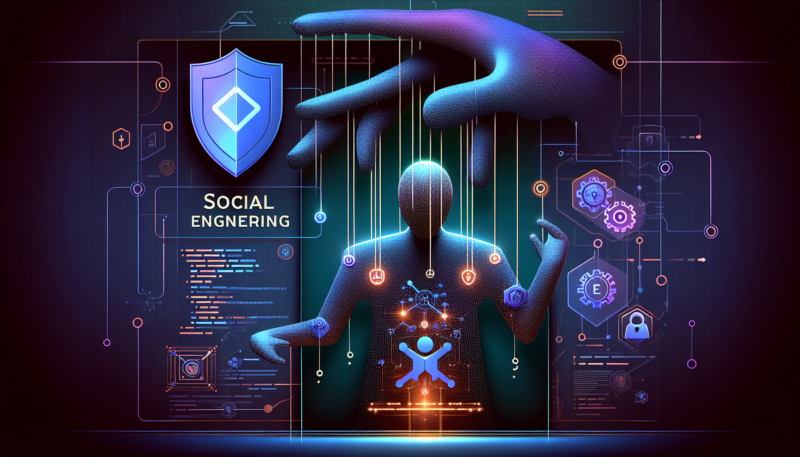
Social engineering is a term that describes a range of manipulation techniques used by hackers to exploit human psychology. This form of human hacking aims to gain unauthorized access to confidential information by tricking people into divulging it. As a cornerstone of many cybersecurity threats, social engineering is a highly effective way for cybercriminals to bypass even the most robust technological defenses.
Imagine receiving an email that looks exactly like it’s from your bank, asking you to verify your account information. This is a classic example of a phishing attack, a common form of social manipulation. By preying on trust, fear, or a sense of urgency, hackers can manipulate victims into revealing sensitive data. Becoming aware of these online scams is a crucial first step in enhancing your online security and data protection.
If this topic piques your interest and you’re looking to bolster your security awareness even further, explore our comprehensive WhatsApp security guide on Bytefixes.com. For more in-depth insights, external resources like the Australian Cyber Security Centre provide valuable advice on cybercrime prevention.
How Hackers Use Social Engineering to Manipulate Victims
Social engineering is a powerful tool in the hacker’s arsenal, exploiting human psychology rather than technical vulnerabilities. Hackers adept in manipulation techniques often engage in social manipulation to trick individuals into giving up confidential information. This form of human hacking bypasses cybersecurity threats that typically require technology-based interventions by focusing on the human element.
One popular method is phishing attacks, where victims receive fraudulent emails or messages that appear legitimate, leading them to click malicious links or disclose sensitive information. By masquerading as trusted entities, hackers breach online security barriers and gain access to data protection systems.
Another technique involves pretexting, where attackers create a fabricated scenario to obtain information, such as pretending to be IT support to trick an employee into revealing their password. These manipulation techniques underscore the critical need for security awareness and robust cybercrime prevention strategies.
Enhancing your defense involves staying informed about these tactics. For a broader understanding of online security, you can explore topics like the 7 Cybersecurity Myths That Put You At Risk in 2025. Additionally, resources such as the Cybersecurity and Infrastructure Security Agency offer extensive insights on how to safeguard against social engineering attacks.
Common Social Engineering Tactics and Techniques
In today’s digital age, understanding social engineering is crucial for safeguarding your online security. Social engineering refers to manipulation techniques employed by hackers to trick individuals into divulging confidential information. These human hacking methods exploit the weakest link in cybersecurity, which is often human judgment. Here are some common social engineering tactics that cybercriminals use:
- Phishing Attacks: By far the most prevalent, phishing attacks involve sending fraudulent emails or messages that appear genuine to lure individuals into revealing personal data, like passwords or credit card numbers.
- Pretexting: In this tactic, attackers create a fabricated scenario, or pretext, to gain the victim’s trust and collect private information under the guise of a legitimate inquiry.
- Baiting: This involves enticing victims with a false promise, such as free software or a lucrative job offer, which requires providing personal data.
- Tailgating: Also known as piggybacking, this physical tactic occurs when an unauthorized person follows an authorized individual into a restricted area.
These social manipulation strategies highlight the importance of comprehensive cybersecurity awareness and robust data protection measures. For more insights on securing your digital identity, explore our guide to securing your online identity.
For further understanding of these tactics, the detailed explanations provided by CSO Online can be an invaluable resource. By being informed, you can better protect yourself from these cybersecurity threats and stop them before they occur.
Phishing Scams: Tricks Used by Cybercriminals
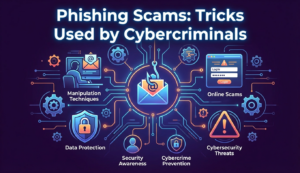
Phishing scams are one of the most prevalent and sophisticated social engineering tactics used by cybercriminals today. These schemes leverage a combination of manipulation techniques and online scams to deceive individuals into divulging sensitive information such as passwords and credit card numbers. The crux of phishing attacks is social manipulation, where cybercriminals create fake emails, websites, or messages that seem legitimate, often mimicking trusted organizations.
Understanding the intricacies of these scams is essential for online security and effective cybercrime prevention. Cybercriminals often enhance their deceptive tactics by incorporating current events or urgent scenarios, which play upon human emotions and stress-induced decisions. Awareness about these cybersecurity threats and staying informed about potential dangers can significantly bolster your data protection efforts.
To learn more about safeguarding your personal information, you can explore our guide on removing personal data from the internet. By fostering security awareness and implementing robust preventive measures, individuals and organizations can thwart these attempts at human hacking. For more comprehensive insights into social engineering and how to defend against it, consider visiting reputable resources.
The Art of Pretexting: Constructing Fake Scenarios
Pretexting is one of the subtle yet effective manipulation techniques employed in social engineering, where attackers create a fabricated scenario to gain your trust and extract personal information. Unlike phishing attacks, which often cast a wide net, pretexting is highly personalized, targeting individuals by pretending to be someone they trust, such as a colleague or an authority figure.
By crafting these fake scenarios, hackers exploit the target’s sense of trust and urgency. This is a cornerstone of human hacking—convincing someone to lower their guard by appealing to their emotions or established professional relationships. For example, an attacker might impersonate an IT support staff asking for login details to address a ‘security issue.’
Understanding these cybersecurity threats and enhancing security awareness is critical in protecting yourself from such online scams. Being vigilant and questioning unexpected requests for sensitive information can thwart many attempts at social manipulation. Interested in strengthening your online security further? Consider exploring our guide on WhatsApp security to lock down your privacy.
For a deeper understanding of social engineering tactics and how to protect your data, reference trusted resources such as this CISA guide on social engineering attacks.
Baiting Attacks: What You Need to Know
Baiting attacks are a common social engineering tactic used by hackers to manipulate individuals into exposing sensitive data. These cybercriminals exploit human curiosity or greed, often by offering enticing “baits” like free downloads, music, or movie files. Once the victim takes the bait, it can lead to severe cybersecurity threats, including identity theft or malware infections.
Unlike phishing attacks, which typically involve impersonating someone you trust, baiting relies heavily on attractive incentives to deceive people. The risk is exacerbated by our increasing digital footprint and the lack of robust online security measures among average users. Consequently, it’s crucial for individuals and organizations to enhance their security awareness to mitigate such online scams.
When confronting these manipulation techniques, investing in cybersecurity education is vital. Utilizing tools to protect your data and regularly updating your security protocols can also assist in preemptive cybercrime prevention. To delve deeper into how you can enhance your security measures, explore this CSO Online guide on social engineering.
The Threat of Tailgating: Physical Security Risks
While often overshadowed by digital cybersecurity threats, physical security breaches hold equally significant risks. Among these, the practice of tailgating stands out as a prevalent method of social manipulation. Tailgating occurs when an unauthorized individual gains access to a restricted area by closely following an authorized person.
This form of human hacking leverages the inherent trust and politeness of individuals who unwittingly allow intruders to bypass access controls. The implications can be severe, ranging from the theft of sensitive data to the installation of malware on company systems. Improving security awareness is crucial in countering this threat, ensuring all personnel are educated on safeguarding physical access points.
Effective methods to mitigate the risk of tailgating include implementing strict access control policies, such as requiring badge scans at every entry, and using security staff to monitor entry points. Training sessions can help reinforce vigilance among employees to question unidentified individuals attempting access. Our guide on common cybersecurity myths further explores methods to enhance your organization’s online security.
For a deeper dive into how to protect against various forms of social engineering, visit this comprehensive resource on social engineering.
Real-Life Examples of Social Engineering Hacks
In today’s digital landscape, the threat of social engineering is ever-present, making it crucial to enhance our online security. Hackers often exploit human psychology through manipulation techniques to execute their malicious plans. One of the most notorious social engineering examples remains the phishing attack against the Democratic National Committee (DNC) in 2016. Hackers sent deceptive emails pretending to be Google, which tricked users into revealing their passwords, leading to a major data breach.
Another striking instance is the infamous “Nigerian Prince” scam. Although seemingly obsolete, this social engineering hack continues to trick individuals into sharing personal information or sending money, effectively bypassing cybersecurity measures through simple deception.
Moreover, it’s important to stay updated on emerging threats and ensure adequate data protection. Our guide on locking down your privacy on WhatsApp emphasizes the importance of being vigilant against these threats. For further reading on social engineering and its mechanisms, consider checking out the in-depth resources at CSO Online. By bolstering security awareness, you can effectively contribute to cybercrime prevention.
Recognizing the Red Flags of Social Engineering
Understanding the red flags of social engineering is crucial in safeguarding yourself against various manipulation techniques that could compromise your online security. Social engineering attacks can be subtle, often cloaked in seemingly innocuous interactions, but recognizing their signs can significantly enhance your security awareness and data protection efforts.
One classic red flag is the sense of urgency portrayed in communications, such as emails or calls demanding immediate action. Hackers utilize this tactic to pressure you into making hasty decisions during phishing attacks. Similarly, unexpected requests for confidential information, like passwords or personal data, should raise immediate suspicion.
Look out for emotional manipulation techniques. Social engineers often exploit emotions such as fear or sympathy to coerce information. Also, be wary of unfamiliar links or attachments in unsolicited communications, as they often lead to malicious sites designed for cybercrime prevention circumvention.
- Sudden requests for confidential information
- Emails/messages creating a sense of urgency
- Emotional manipulation tactics
- Unsolicited links or attachments
For enhancing your safety, enforcing a robust online security posture is essential. You can further explore ways to protect your digital footprints in our article on removing your personal data from the internet in 2025. To gain a deeper understanding of social engineering and human hacking techniques, consider reviewing resources such as the CSO Online guide on social engineering.
Preventive Measures: How to Protect Yourself from Social Engineers
Protecting yourself from social engineering attacks is essential in today’s digital landscape. As cybercriminals become increasingly sophisticated in their manipulation techniques, enhancing your defense mechanisms against such cybersecurity threats is crucial.
- Educate Yourself and Others: Knowledge is the first line of defense. Regular training sessions and updates on the latest phishing attacks and social manipulation tactics can create a culture of security awareness in your organization or personal life.
- Secure Your Online Presence: Implement strong, unique passwords for all accounts and activate two-factor authentication (2FA) wherever possible. For more advanced steps on securing your apps, check out The Ultimate WhatsApp Security Guide on our website.
- Verify Before You Trust: Always authenticate the identity of the person you’re communicating with before disclosing any personal or sensitive information. Double-check URLs and email addresses to avoid falling victim to online scams.
- Keep Software Updated: Regularly updating your software and operating systems can help protect against emerging threats. Patches and updates often include essential security enhancements.
By adopting these preventive measures, you can enhance your online security and better defend against cybercrime prevention tactics. For more in-depth information, consider visiting external resources such as CSO Online’s Social Engineering Guide to stay informed about the latest trends in data protection.
Best Practices for Enhancing Cybersecurity Awareness
Strengthening cybersecurity awareness is essential to combat social engineering and safeguard against human hacking. By educating individuals about online security and manipulation techniques, organizations can significantly reduce the risk of phishing attacks and other cybersecurity threats. To effectively enhance cybersecurity awareness, consider these best practices:
- Regular Training and Workshops: Conduct frequent training sessions to educate employees about the latest social manipulation tactics and online scams. This helps in building a vigilant workforce that can identify and report suspicious activities.
- Implement Simulated Attacks: Use simulated phishing campaigns to test and improve your team’s ability to recognize and respond to potential threats. This practical approach reinforces learning and highlights areas needing improvement.
- Encourage Open Communication: Foster an environment where employees feel comfortable sharing concerns about data protection and cybersecurity threats without fear of repercussions.
- Utilize Technology Tools: Leverage cybersecurity tools and solutions to monitor and protect against potential threats. Tools such as DNS over HTTPS can add an extra layer of defense.
These measures are crucial in building a robust culture of security awareness. For more comprehensive cybersecurity tips, explore our guide on debunking cybersecurity myths. By staying informed and proactive, individuals and organizations can effectively counter cybercrime and safeguard their digital assets.
For additional insights, you can also read this external resource on combating social engineering provided by CISA.
Conclusion: Staying Vigilant Against Social Engineering Threats
In an age where digital interactions dominate, staying vigilant against social engineering threats is vital. These manipulation techniques, often disguised as innocent requests or offers, form a formidable part of the cybersecurity threats we face today. Engaging in continued education and fostering a culture of security awareness can significantly reduce your vulnerability to phishing attacks and other forms of human hacking.
It’s essential to be proactive about your online security. Regularly update your knowledge about the latest online scams and social manipulation tactics hackers deploy. To enhance your cybersecurity posture, you can explore resources like our Ultimate WhatsApp Security Guide, which provides detailed strategies for protecting your personal data and preventing cybercrime.
Remember, protecting your personal information extends beyond the digital realm. Combining vigilance with robust cybersecurity practices as recommended by agencies like CISA ensures comprehensive data protection. By maintaining a healthy skepticism and leveraging available resources, you can effectively thwart potential social engineering attacks and safeguard your online identity.